
NYC • Local Law 11 / FISP Support
Facade Inspection with Drones in NYC
High-resolution facade documentation to support QEWIs, owners, and contractors—especially at parapets, rooflines, setbacks, courtyards, and hard-to-reach elevations.
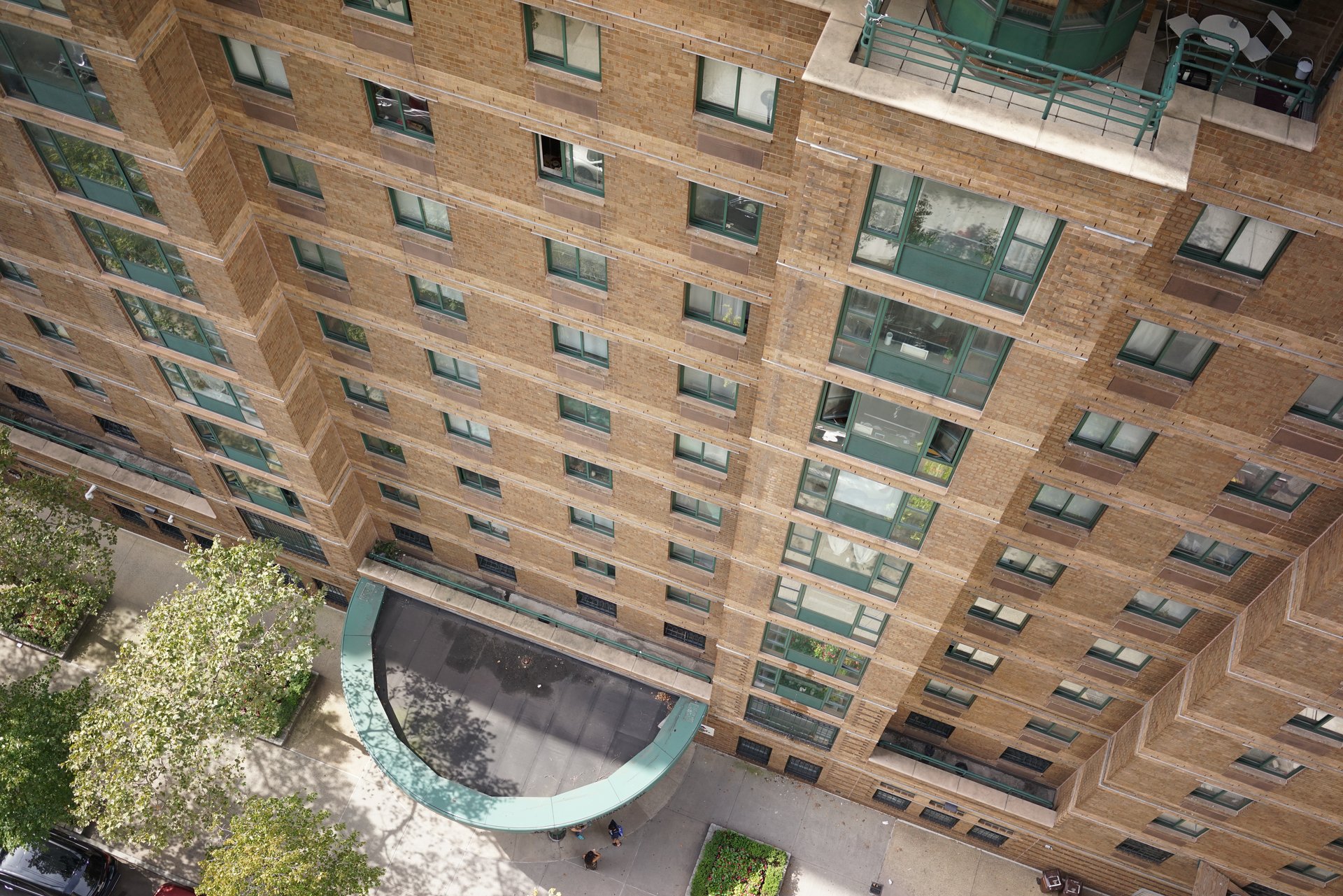
Drone-Based Facade Inspections for NYC Buildings
Facade inspections in New York City require clear documentation of exterior building conditions—especially at rooflines, parapets, setbacks, courtyard facades, and areas that are difficult to view safely from the ground. Using drones, we capture detailed visual records with consistent coverage, allowing your team to review conditions, flag areas of concern, and plan access where needed.
Our work is designed to support engineering workflows for building envelope assessments, capital planning, and Local Law 11 / FISP projects. We deliver organized imagery and optional photogrammetry outputs that help reduce guesswork and improve communication between owners, QEWIs, and contractors.
Supporting Local Law 11 / FISP Facade Inspections
Local Law 11 (also known as the Facade Inspection & Safety Program / FISP) requires periodic facade inspections performed under the supervision of a qualified professional (QEWI). Drone inspections can be used to support the QEWI’s process by providing detailed visual access and documentation—especially during early investigation, planning, or targeted follow-up.
Important note: drone data can improve visibility and documentation, but it does not replace the QEWI’s responsibilities or any hands-on requirements that may be needed for specific conditions. Our role is to help your team see more, faster, and safer—so you can plan access intelligently and reduce uncertainty.
Facade Elements We Inspect Using Drones
Drone-based facade inspection is especially effective for rooflines, upper stories, and complex geometry where traditional access is time-consuming or disruptive. Typical building elements we document include:
- Parapets and copings (cracks, displacement, open joints, deterioration)
- Exterior walls and masonry (spalls, staining, efflorescence, bulging, missing mortar)
- Curtain wall / window lines (sealants, failed gaskets, water intrusion indicators)
- Balconies, terraces, and slab edges (surface deterioration, drainage issues)
- Cornices and ornamentation (loose elements, corrosion, anchorage concerns)
- Courtyard-facing facades and tight access conditions
- Sidewalk shed / sidewalk-facing conditions (risk areas near pedestrian zones)
- Roof edges, setbacks, and equipment screens
How Drone Technology Improves Facade Inspections
High-resolution documentation for engineering review
Drones capture detailed imagery of facade conditions at angles that are hard to achieve from the street. This helps teams review cracks, open joints, corrosion staining, displacement, and potential water intrusion indicators with fewer blind spots.
Photogrammetry and measurable context (when appropriate)
When the scope calls for it, we can use photogrammetry to produce outputs like orthomosaics, 3D models, or point clouds. These can help teams compare conditions over time, coordinate repair quantities, and communicate findings clearly across stakeholders.
Repeatable documentation for tracking and planning
Drone-based capture can be repeated on a consistent schedule (pre-repair, during repair, post-repair), making it useful for progress documentation and verifying that repairs align with planned scopes.
Cost Savings, Safety, and Reduced Disruption
Traditional facade investigation often involves scaffolding, swing stages, rope access, and sidewalk sheds—each of which can require significant mobilization, coordination, and tenant disruption. Drone inspections can help reduce uncertainty by documenting conditions early and helping teams target access where it’s actually needed.
- Faster investigation to identify areas of concern before full access is mobilized
- Reduced time at height for visual reconnaissance and photo documentation tasks
- Lower disruption to building occupants and pedestrian areas during early evaluation
- Improved planning for scaffold/swing stage locations by prioritizing the most critical zones
- Clearer communication between owners, QEWIs, contractors, and stakeholders
Deliverables for Owners, Engineers, and Contractors
We deliver organized outputs that your team can review quickly and integrate into reporting workflows. Deliverables can be tailored to your needs and typically include:
- High-resolution photo sets organized by elevation / facade zone
- Annotated imagery highlighting observed conditions (as requested)
- Defect documentation summaries for planning and scoping support
- Optional photogrammetry outputs (orthomosaics / models / point clouds) when required
- Clear folder structure for engineering and project teams
NYC Facade Drone Inspections
We serve building teams across Manhattan, Brooklyn, Queens, the Bronx, and Staten Island, with additional coverage in New Jersey and the Northeast. If your project requires travel or special coordination, tell us what you need and we’ll align the plan accordingly.
FAQ: Drone-Based Facade Inspections
Drones can support Local Law 11 / FISP workflows by improving visibility and documentation. The QEWI remains responsible for the inspection process and any hands-on requirements. Drone capture is commonly used for early evaluation, targeted follow-up, and improved documentation quality.
Not always. Drone data can help teams document conditions and prioritize access areas—often reducing uncertainty and helping target where access is actually needed. Final access decisions depend on the building and engineer requirements.
Rooflines, parapets, setbacks, courtyard facades, and upper elevations are where drones provide strong value—especially when street-level visibility is limited.
Turnaround depends on building size and deliverables (imagery only vs. photogrammetry). Many projects deliver organized imagery quickly, with advanced outputs scheduled based on processing needs.
Send the building address, scope (Local Law 11 / investigation / targeted area), and deliverable requirements. We’ll propose a plan aligned with your schedule and coordination needs.
Need a facade inspection plan for your building?
Tell us the address, scope, and your deliverable needs. We respond within one business day.
Get in Touch